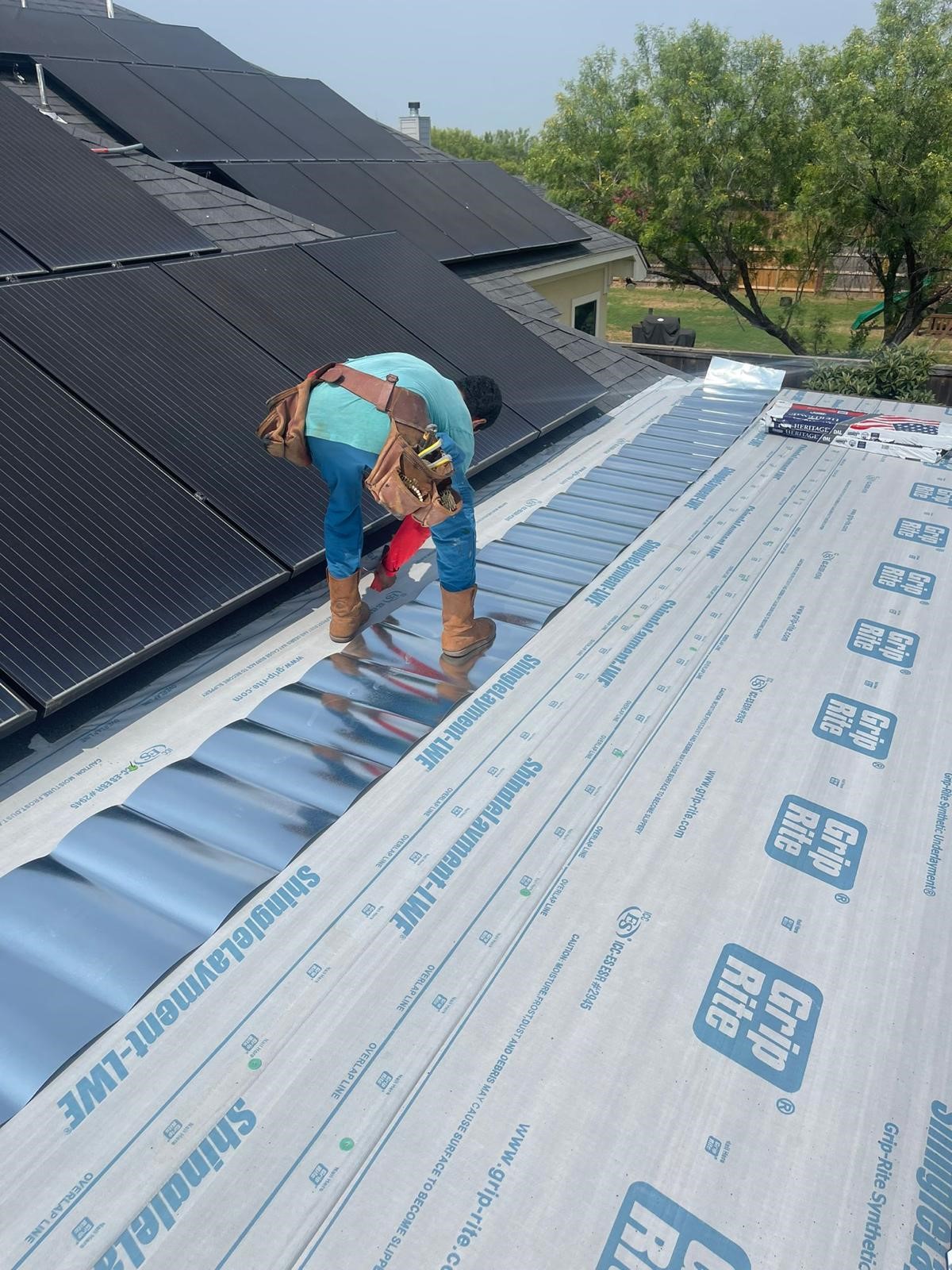
Why Regular Roof Maintenance Saves You Thousands
Roof Maintenance is one of the most overlooked responsibilities of home ownership. Roof Maintenance planning allows homeowners to identify minor issues before they grow into expensive structural problems. When people understand the value of Roof Maintenance early, they reduce the risk of leaks, wood rot, insulation damage, and premature roof failure that often leads to costly replacements.
Many roofing issues develop slowly and remain hidden until visible damage appears inside the home. A small crack in flashing, a blocked gutter, or a lifted shingle may not seem urgent, but over time these minor defects allow moisture to enter the structure. Regular attention, guided by a practical roof inspection checklist and consistent preventative roof care, helps homeowners avoid these situations entirely.
Understanding How Small Issues Become Expensive Repairs
Roofs are constantly exposed to heat, rain, wind, debris, and seasonal changes. Over time, materials expand, contract, and weaken. Without routine checks, small openings form around joints, vents, and edges. Water finds its way into these spaces and begins affecting the wooden deck and insulation beneath.
Homeowners who follow a structured roof maintenance routine often catch these early signs before water damage spreads. Learning from experienced professionals such as 84 Roofing helps homeowners understand what to look for and why early action matters.
Signs That Your Roof Needs Immediate Attention
Even when a roof looks fine from a distance, subtle warning signs often appear before major damage becomes visible. Paying attention to these indicators helps homeowners act quickly and prevent more serious problems from developing inside the structure.
Visible exterior warning signs
Missing or curling shingles often indicate aging materials that no longer seal properly against wind and rain, allowing moisture to enter beneath the surface.
Dark streaks or algae growth may suggest trapped moisture which can slowly weaken roofing layers over time.
Damaged flashing around chimneys and vents creates small gaps where water can seep in unnoticed.
Interior warning signs inside the home
Water stains on ceilings or walls usually mean moisture has already passed through several layers of the roof structure.
Musty odors in the attic often signal poor ventilation combined with hidden moisture buildup.
Rising energy bills can be caused by insulation damage due to slow water intrusion from above.
The Role of a Practical Inspection Routine
A consistent inspection routine does not require climbing onto the roof every month. Visual checks from the ground, attic observations, and seasonal reviews are often enough to detect early problems.
Following a simple roof inspection checklist ensures homeowners do not miss critical areas such as valleys, flashing points, gutters, and ventilation openings. These locations are where most roofing problems begin.
Homeowners who cannot perform inspections themselves often rely on roof maintenance services to carry out scheduled evaluations and preventive adjustments that keep the structure in good condition.
How Preventative Care Extends Roof Life
Preventative roof care focuses on cleaning, sealing, adjusting, and reinforcing vulnerable areas before they fail. This includes clearing debris from gutters, resealing flashing, replacing a few loose shingles, and checking ventilation systems.
These small tasks take little time but significantly delay the need for major repairs or full replacement. Preventative care also preserves the integrity of the roofing materials so they can reach or exceed their expected lifespan.
Seasonal Maintenance Matters
Different seasons create different types of stress on roofing materials. Heat can cause expansion and cracking, while heavy rain tests drainage systems and flashing strength. Wind can loosen edges and displace shingles.
During warmer months, checking for heat related cracking and ensuring proper attic ventilation prevents material warping and insulation damage.
During rainy or storm seasons, clearing gutters and inspecting drainage paths helps prevent water pooling and leakage into the structure.
Homeowners in regions with varying weather patterns often learn from residential roofing san antonio practices that emphasize seasonal readiness and early inspections.
Financial Impact of Ignoring Routine Care
Ignoring small roofing issues often leads to large scale repairs involving decking replacement, insulation work, ceiling restoration, and mold treatment. These repairs cost far more than routine inspections and minor adjustments.
A neglected roof can also reduce property value and create complications during home inspections when selling the property. Regular care protects both the structure and the financial investment in the home.
What Professionals Look for During Maintenance Visits
When professionals perform maintenance checks, they focus on areas homeowners rarely notice. They examine sealant conditions, fastener stability, hidden flashing gaps, and early signs of material fatigue.
Professionals inspect joints and seams carefully because these are the first areas where water penetration begins, even when the rest of the roof looks intact.
They assess ventilation flow to ensure moisture is not trapped inside the attic, which can quietly damage wood and insulation over time.
If problems are detected,roof repair services can address them before they become visible inside the home.
Long Term Benefits of Consistent Care
Consistent attention to roofing health provides peace of mind during storms and seasonal changes. Homeowners who maintain their roofs experience fewer emergencies, fewer unexpected expenses, and longer material life.
The goal is not constant repair but consistent observation and timely action when small issues appear.
Conclusion
Regular attention to roofing health prevents the chain reaction that leads from small damage to major structural repairs. Following a roof inspection checklist, practicing preventative roof care, and addressing early signs of wear helps homeowners avoid large expenses and extend the life of their roof. Simple routine checks and timely adjustments save thousands over the years and protect the comfort and safety of the home.
FAQ
1. How often should a roof be inspected?
At least twice a year and after major storms to catch early signs of damage.
2.Can I perform maintenance without climbing onto the roof?
Yes, many signs can be spotted from the ground or inside the attic.
3.What is the most common cause of roof leaks?
Damaged flashing and clogged gutters are frequent causes of hidden leaks.
4.Do small repairs really make a difference?
Yes, minor fixes prevent moisture from spreading into structural areas.
5.When should I call professionals for help?
When you notice warning signs or prefer scheduled inspections for safety.
