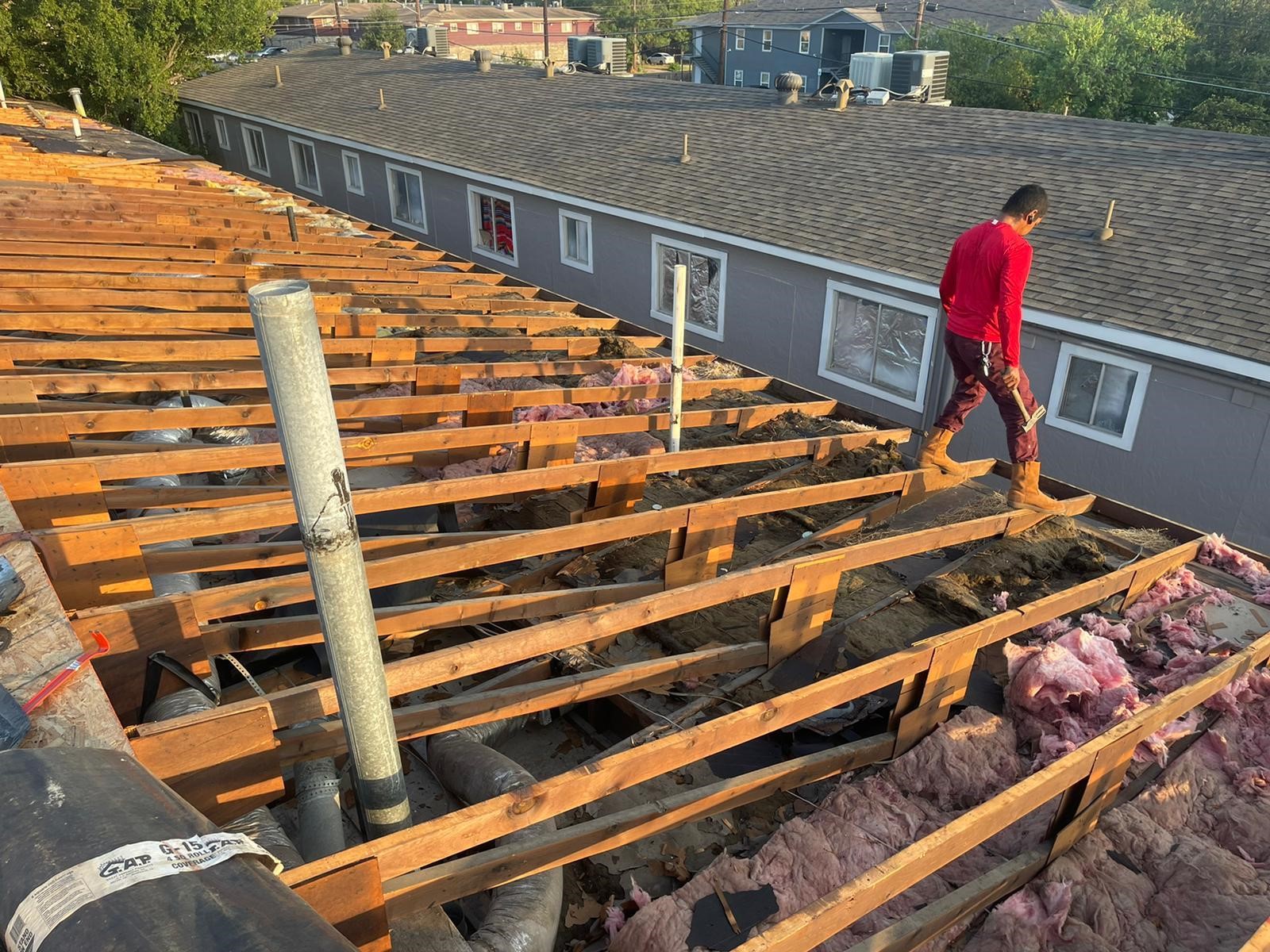
Repair or Replace! How to Decide for Your Roof
Repair or Replace is a question many homeowners face when roofing problems begin to appear. Repair or Replace decisions become difficult because visible damage may look minor while hidden issues may be developing underneath the surface. Understanding how to evaluate your roof condition properly helps avoid spending money on temporary fixes when a long term solution may be required.
Small leaks, missing shingles, or flashing gaps often seem manageable at first. However, these issues sometimes indicate aging materials and deeper structural wear. Looking at the situation through the lens of roof repair vs replacement helps homeowners make practical decisions based on condition, cost, and future reliability rather than guesswork.
Understanding the True Condition of Your Roof
Roof problems rarely appear overnight. Most issues develop slowly due to years of exposure to weather, temperature changes, and moisture. What looks like a simple repair may actually be a sign that the roofing system is weakening across multiple areas.
A professional evaluation through roof inspection services allows homeowners to see beyond surface damage. Inspections help determine whether the issue is localized or spread across the structure.
Why Roof Age Matters in Your Decision
The age of roofing materials plays a critical role in deciding when to replace roof systems. Most materials have a predictable lifespan. If your roof is approaching that range, repairs may only delay an inevitable replacement.
Older roofs often begin showing problems in different spots within a short time. This pattern usually signals that materials are wearing out evenly rather than failing in one isolated area.
Evaluating Repair History and Frequency
One repair every several years is normal. Multiple repairs within a short period often indicate that the roof is reaching the end of its service life. Keeping track of how often fixes are needed provides valuable insight into whether continued repairs make sense.
At this stage, homeowners begin comparing ongoing repair expenses with overall roof replacement cost to see which option provides better value over time.
Situations Where Repair Is Still Practical
Damage limited to a small section such as a few shingles or a single flashing point can often be corrected without disturbing the rest of the roofing structure. This type of issue does not always justify full replacement.
The roof is still relatively new and well within its lifespan, meaning the overall material integrity remains strong and dependable.
In these cases, targeted solutions such as emergency roof repair can restore protection effectively.
Situations Where Replacement Is the Smarter Option
Leaks appearing in multiple areas usually indicate widespread material fatigue rather than isolated damage that can be patched.
Shingles curling, cracking, or losing granules across large portions of the roof surface show that aging is affecting the entire system.
When these signs appear together,roof replacement services offer a more reliable and long lasting solution.
Hidden Structural Damage Changes the Decision
Water intrusion does not always stay visible. Moisture can move beneath shingles and begin affecting the wooden deck, insulation, and attic. By the time ceiling stains appear, internal components may already be compromised.
This hidden damage is often discovered during inspections and strongly influences the roof repair vs replacement decision.
Financial Comparison Beyond the Immediate Cost
Repairs may seem less expensive initially, but repeated fixes over time can exceed the investment required for a new roof. Homeowners should consider not only the current estimate but also the likelihood of future problems.
A clear understanding of roof replacement cost versus ongoing repair expenses helps make a financially sound decision.
Questions That Help You Decide
How old is the roof compared to its expected lifespan
Are problems appearing in one place or several areas
Has the roof required frequent repairs recently
Is there evidence of moisture damage beneath the surface
Answering these questions creates a logical decision process instead of relying on assumptions.
Impact on Property Value and Safety
A failing roof affects home value and can create complications during property inspections if selling the house. Safety risks also increase when weakened materials are exposed to strong wind and rain.
Homeowners often review educational resources on the blog page to better understand how roofing condition affects long term property value.
The Importance of Professional Assessment
Experienced professionals provide unbiased insight into the condition of roofing materials and structure. Their evaluation helps homeowners understand whether repairs will be effective or if replacement is the more sensible route.
Conclusion
Choosing between repair and replacement becomes easier when decisions are based on roof age, damage patterns, repair history, and hidden structural concerns. When issues are isolated and the roof is still relatively new, repairs can extend its life. When problems become frequent and materials show widespread wear, replacement provides better protection and value. Careful evaluation helps homeowners make confident decisions that protect their homes for years to come.
FAQ
1. How do I know if my roof needs replacement instead of repair?
Frequent leaks, aging materials, and widespread shingle damage usually indicate replacement is the better choice.
2. Is roof replacement always more expensive than repairs?
Initially yes, but repeated repairs over time can cost more than a single replacement.
3. Can inspections reveal hidden roof damage?
Yes, inspections often uncover moisture and structural issues not visible from the outside.
4. How long can a repaired roof last?
If the roof is relatively new and damage is isolated, repairs can extend its lifespan.
5. Should I get a professional opinion before deciding?
Yes, professional assessments provide clarity and prevent costly mistakes.
