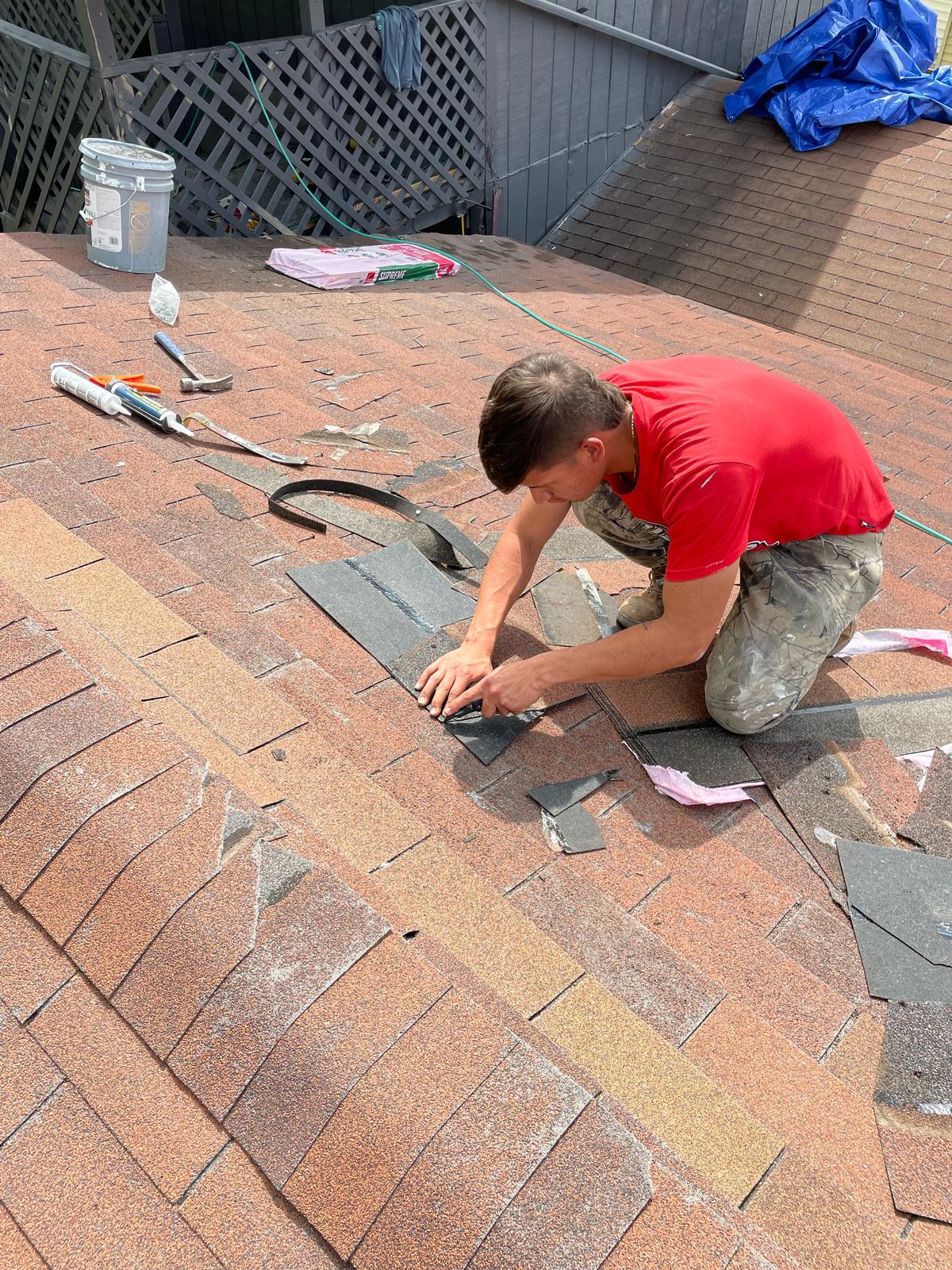
How to Choose the Best Roofing Material for Your Home
Choosing the right Roofing Material is one of the most important decisions homeowners make during construction or renovation. The roof protects the entire structure from weather, temperature changes, and external damage. Because of this, selecting the correct Roofing Material requires careful evaluation of durability, cost, maintenance, and climate compatibility.
Many homeowners focus only on appearance when selecting the best roofing material, but long term performance matters just as much. A roof influences energy efficiency, insulation, structural protection, and even property value. Different materials such as asphalt shingles, metal roofing, and tile roof systems provide different advantages depending on the home design and environmental conditions.
Understanding the characteristics of each option helps homeowners make informed decisions. In addition to the material itself, professional installation and routine maintenance also play a major role in the performance of a roof. When planning a new project or replacement, it is helpful to learn how roofing options compare and how they perform over time.
A reliable roof begins with proper construction methods and professional guidance. Many homeowners consult experienced contractors who provide roof installation services to ensure the structure, ventilation, and materials work together effectively.
Factors That Influence Roofing Selection
Selecting the best roofing material involves more than choosing a style. Several structural and environmental factors should be considered before making a decision.
Climate Conditions
Climate has a major influence on roofing performance. Materials respond differently to heat, humidity, heavy rain, snow, or strong winds.
For example, metal roofing reflects sunlight and works well in warmer climates. Tile roof systems perform well in hot regions because they provide natural ventilation. Asphalt shingles can perform well in many climates when installed correctly.
Roof Slope and Structure
The slope and structure of a roof determine which materials are suitable. Some materials require steeper slopes for proper water drainage. Others work well on low slope surfaces.
Structural support also matters. Heavier materials like tile roofs may require stronger framing compared to lighter options like asphalt shingles.
Budget and Long Term Cost
Initial installation cost varies widely between materials. However, long term expenses should also be considered. A cheaper option might require more frequent repairs or replacement.
Homeowners often balance upfront costs with long term durability when selecting the best roofing material.
Local Building Regulations
Local construction codes sometimes specify acceptable materials, wind resistance levels, or fire ratings. These requirements ensure that roofs meet safety standards and environmental conditions.
Understanding these rules helps prevent costly adjustments later in the installation process.
Common Types of Roofing Materials
Homeowners today have access to a wide range of roofing options. Each type offers unique characteristics that affect performance, cost, and longevity.
Asphalt Shingles
Asphalt shingles remain one of the most widely used residential roofing options. They are known for their versatility and relatively simple installation process.
Benefits of asphalt shingles include:
Cost effective compared to many other materials
Available in various colors and styles
Suitable for different architectural designs
Moderate roofing lifespan depending on quality
Because installation quality significantly affects performance, homeowners often rely on professionals who specialize in asphalt shingle roof installation to ensure correct placement and sealing.
Metal Roofing
Metal roofing has become increasingly popular due to its durability and resistance to weather conditions. It is commonly made from steel, aluminum, or copper.
Key advantages include:
Long roofing lifespan compared to many traditional materials
Resistance to wind and fire
Reflective surface that can improve energy efficiency
Lower maintenance requirements
Metal roofs can last several decades when installed properly. However, they typically require a higher initial investment compared to asphalt shingles.
Tile Roof Systems
Tile roof designs are commonly seen in Mediterranean, Spanish, and southwestern architecture. These roofs are typically made from clay or concrete.
Tile roofs are known for their durability and ability to withstand extreme heat. They also provide a distinct visual style that enhances curb appeal.
However, their heavier weight means the building structure must be strong enough to support them. Installation also requires specialized expertise to prevent structural stress or improper alignment.
Understanding Roofing Lifespan
One of the most important factors in choosing the best roofing material is durability. The roofing lifespan varies significantly depending on material type, installation quality, and environmental exposure.
Below are typical lifespan ranges for common materials:
Asphalt shingles generally last between 15 and 30 years depending on quality.
Metal roofing can last between 40 and 70 years with proper installation.
Tile roof systems may last 50 years or longer under favorable conditions.
While these estimates provide general guidance, maintenance and climate exposure can shorten or extend the life of a roof. For example, regions with heavy storms or extreme heat may require more frequent inspections.
Proper ventilation and insulation can also affect roofing lifespan. Without proper airflow, heat and moisture may accumulate under the roof surface and cause premature deterioration.
Maintenance Considerations
Regardless of the material used, every roof requires some level of maintenance. Neglecting regular inspection can lead to small issues becoming larger structural problems.
Maintenance tasks often include clearing debris, checking flashing around chimneys and vents, and inspecting shingles or tiles for damage. Homeowners who schedule routine roof cleaning and maintenance can often extend the overall lifespan of their roof.
Regular inspections are especially important after storms or severe weather events. Early detection of leaks, cracks, or loose materials helps prevent interior water damage.
Energy Efficiency and Insulation
Energy performance is another important factor when choosing the best roofing material. The roof plays a major role in controlling heat transfer between the interior and exterior of the home.
Reflective materials such as metal roofing can reduce heat absorption during warm months. Some asphalt shingles also include reflective coatings that help improve energy efficiency.
Tile roof systems provide natural ventilation because air can circulate beneath the tiles. This airflow helps reduce heat buildup inside the attic.
Proper insulation and ventilation combined with suitable roofing materials can significantly influence indoor temperature stability.
Visual Appearance and Architectural Style
While durability and performance are essential, appearance also matters. The roof contributes significantly to the overall visual identity of a home.
Different materials complement different architectural designs. For example:
Asphalt shingles suit traditional suburban homes
Metal roofing works well with modern or contemporary designs
Tile roofs complement Mediterranean or Spanish style architecture
Homeowners often choose materials that match surrounding buildings or neighborhood guidelines.
Color selection also influences energy performance and appearance. Lighter colors tend to reflect sunlight, while darker tones absorb heat.
Installation Quality and Professional Expertise
Even the highest quality materials can fail if installed incorrectly. Roofing systems consist of multiple layers including underlayment, flashing, ventilation components, and structural supports.
Professional installation ensures each component works together to prevent water infiltration and structural damage. Contractors also verify that the roof structure can support the selected material.
Homeowners who work with experienced roofing professionals reduce the risk of premature roof failure and costly repairs.
Comparing Long Term Value
When evaluating roofing options, homeowners often compare cost versus longevity. While some materials have higher installation costs, their durability may reduce replacement frequency.
A tile roof may cost more initially but can last several decades. Asphalt shingles require a smaller investment but may need replacement sooner.
Considering long term value rather than only upfront cost can lead to better financial decisions over time.
Conclusion
Selecting the best roofing material requires careful consideration of climate, budget, structural design, and maintenance expectations. Each option offers different advantages that influence durability and overall performance.
Asphalt shingles provide affordability and flexibility for many homes. Metal roofing offers exceptional durability and weather resistance. Tile roof systems deliver long lasting performance and a distinctive architectural style.
In addition to the material itself, proper installation, ventilation, and routine inspection all contribute to roof longevity. By understanding the characteristics of different roofing systems, homeowners can make informed decisions that protect their homes for many years. If you need guidance about roofing options or installation planning, you can contact us to discuss your project and learn more about suitable solutions for your home.
Frequently Asked Questions
1. What is the best roofing material for residential homes?
The best roofing material depends on factors such as climate, budget, and design preference. Asphalt shingles, metal roofing, and tile roofs are among the most commonly used options due to their reliability and durability.
2. How long does a typical roof last?
Roofing lifespan varies by material. Asphalt shingles usually last 15 to 30 years, metal roofing can last 40 to 70 years, and tile roofs may last 50 years or longer with proper maintenance.
3. Are metal roofs better than asphalt shingles?
Metal roofs typically last longer and require less maintenance than asphalt shingles. However, asphalt shingles are more affordable and widely used in residential construction.
4. How often should a roof be inspected?
Most experts recommend inspecting a roof at least once a year and after severe weather events. Regular inspections help detect damage early and prevent costly repairs.
5. Does roof color affect energy efficiency?
Yes. Lighter roof colors reflect sunlight and reduce heat absorption, which can help lower cooling costs. Darker roofs tend to absorb more heat, which may increase indoor temperatures during warm months.
