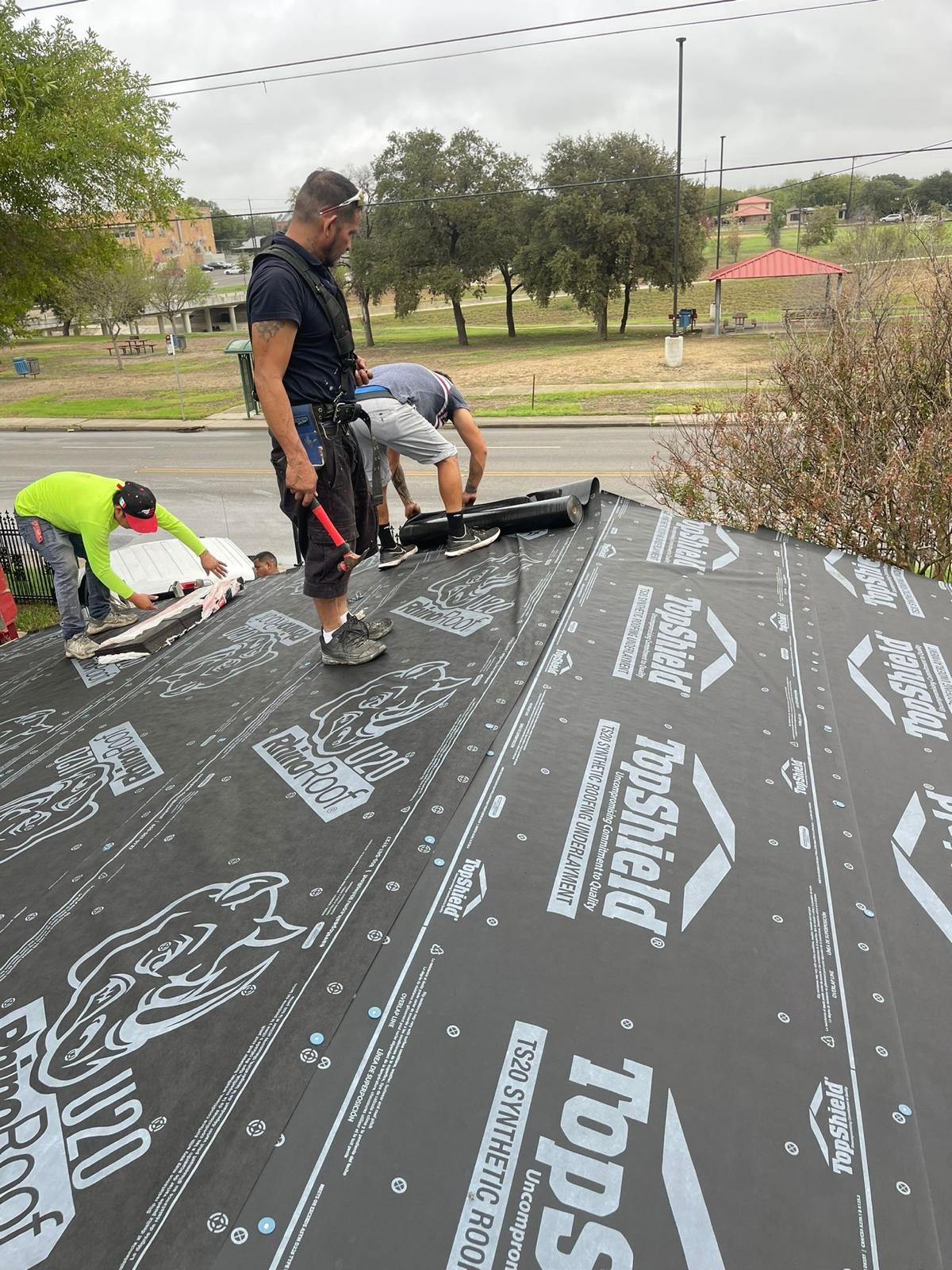
How Long Does a Roof Last Lifespan by Material
The Roof Last Lifespan of a home is shaped by the material installed, the quality of workmanship, local weather conditions, and how consistently the roof is maintained. Many homeowners ask how long does a roof last, yet the answer is different for every property. Some roofs show aging signs earlier because of heat and moisture, while others continue performing well for decades with minimal issues.
Roofs age slowly. Sun exposure, rain, wind, and temperature changes gradually weaken protective layers. This aging process often goes unnoticed until small warning signs begin to appear. Understanding how materials behave over time helps homeowners recognize when a roof is approaching the point where repairs are no longer effective and roof replacement becomes necessary.
A timely inspection from professionals like 84 Roofing can help assess whether a roof is aging normally or deteriorating faster than expected.
What Really Affects Roof Longevity
Roof lifespan is shaped by a combination of visible and hidden factors. Installation quality determines how well materials are sealed and protected from water intrusion. Ventilation inside the attic prevents heat buildup that can dry out shingles and weaken roofing components from below. Drainage design ensures that rainwater flows off the roof instead of pooling along edges or valleys where it can cause gradual deterioration.
Maintenance habits also make a measurable difference. Cleaning gutters, removing debris after storms, and checking flashing around chimneys and vents help prevent slow damage that reduces roof performance. When these simple practices are ignored, roofing materials tend to age faster than expected.
Asphalt Shingles and Typical Aging Signs
The asphalt shingle lifespan in most residential properties ranges between 18 and 28 years. Asphalt shingles are popular because they are economical and practical, but they are more sensitive to environmental stress compared to other roofing materials. Over time, the protective granules begin to loosen and collect in gutters. Shingle edges may curl upward, and surfaces may develop small cracks as the material dries out from years of sun exposure.
These signs usually appear gradually across different sections of the roof. When they become widespread, homeowners often start exploring roof replacement services instead of continuing small repairs that no longer provide lasting results.
Metal Roofing and Long Term Performance
Metal roof durability allows this material to perform reliably for decades with minimal visible aging. Metal panels resist moisture, insect damage, and cracking caused by expansion and contraction from temperature changes. Special coatings protect the surface from rust and help reflect sunlight, which reduces heat absorption.
Most metal roof issues are related to fastening points and sealants rather than the panels themselves. With periodic inspection and basic care, metal roofing systems maintain structural integrity and require fewer repairs compared to shingle roofs.
Tile Roofing in Hot and Rainy Conditions
Tile roofing performs well under intense sun exposure and heavy rainfall. The material ages slowly and retains its strength even after years of weather contact. While the tiles themselves are highly durable, the protective layer beneath them should be checked periodically to ensure continued waterproofing.
Homeowners comparing material performance in warm regions often review information related to residential roofing san antonio to understand which options handle heat most effectively.
Wood Roofing and the Need for Regular Care
Wood shingles and shakes offer natural appearance but depend heavily on proper maintenance. Moisture retention, moss growth, and debris buildup can shorten their life if airflow is restricted. Regular cleaning and treatment are necessary to preserve wood roofing materials and prevent premature deterioration.
Warning Signs That a Roof Is Nearing Replacement
Roofs rarely fail without warning. There are gradual signs that indicate the roofing system is weakening overall. Shingles may begin to curl or crack, flashing around roof openings may loosen, and small leaks may appear during heavy rain. Rust spots can develop near fasteners on metal roofs, and uneven roof lines may become visible from the ground.
Recognizing these signs early helps homeowners plan for replacement before interior water damage occurs.
Climate and Its Effect on Roof Aging
Environmental conditions significantly affect how roofing materials age. Continuous sun exposure dries out shingles and weakens sealants. Humidity keeps surfaces damp for longer periods, encouraging organic growth. Strong winds gradually lift edges and loosen components. These factors explain why two identical roofs in different regions may age at very different rates.
Importance of Ventilation and Ongoing Maintenance
Attic ventilation allows heat to escape and prevents roofing materials from overheating. Without airflow, excessive heat accelerates deterioration from underneath the roof surface. Regular maintenance such as clearing gutters, removing branches, and scheduling yearly inspections slows the aging process and keeps roofing systems performing closer to their expected service range.
Following proper residential roof maintenance practices helps homeowners extend the life of their next roof after replacement.
When Repairs Stop Being Practical
As a roof grows older, repairs become more frequent and less effective. When multiple areas begin showing signs of wear, or when leaks appear in different sections, replacement becomes a more practical option. Waiting too long can lead to structural damage that affects insulation, ceilings, and interior walls.
Planning roof replacement at the right time prevents emergency situations and protects the overall structure of the home.
Conclusion
Knowing how long does a roof last allows homeowners to prepare for roof replacement before serious problems develop. Each material responds differently to time and weather, but proper care, ventilation, and early attention to warning signs significantly improve performance. With regular inspection and maintenance, homeowners can maximize the Roof Last Lifespan and make informed decisions about protecting their property.
FAQ
1. How can I tell if my roof is reaching the end of its lifespan?
Look for curling shingles, granules in gutters, loose flashing, and repeated minor leaks after rain.
2. Does attic ventilation really affect how long a roof lasts?
Yes. Poor ventilation traps heat that weakens roofing materials from underneath.
3. Is it better to repair or replace an aging roof?
When problems appear across large sections and repairs become frequent, replacement is usually more effective.
4. What is the average asphalt shingle lifespan in residential homes?
Typically between 18 and 28 years depending on weather exposure and maintenance.
5. Can regular maintenance delay roof replacement?
Yes. Cleaning gutters, removing debris, and yearly inspections help extend roof performance.
