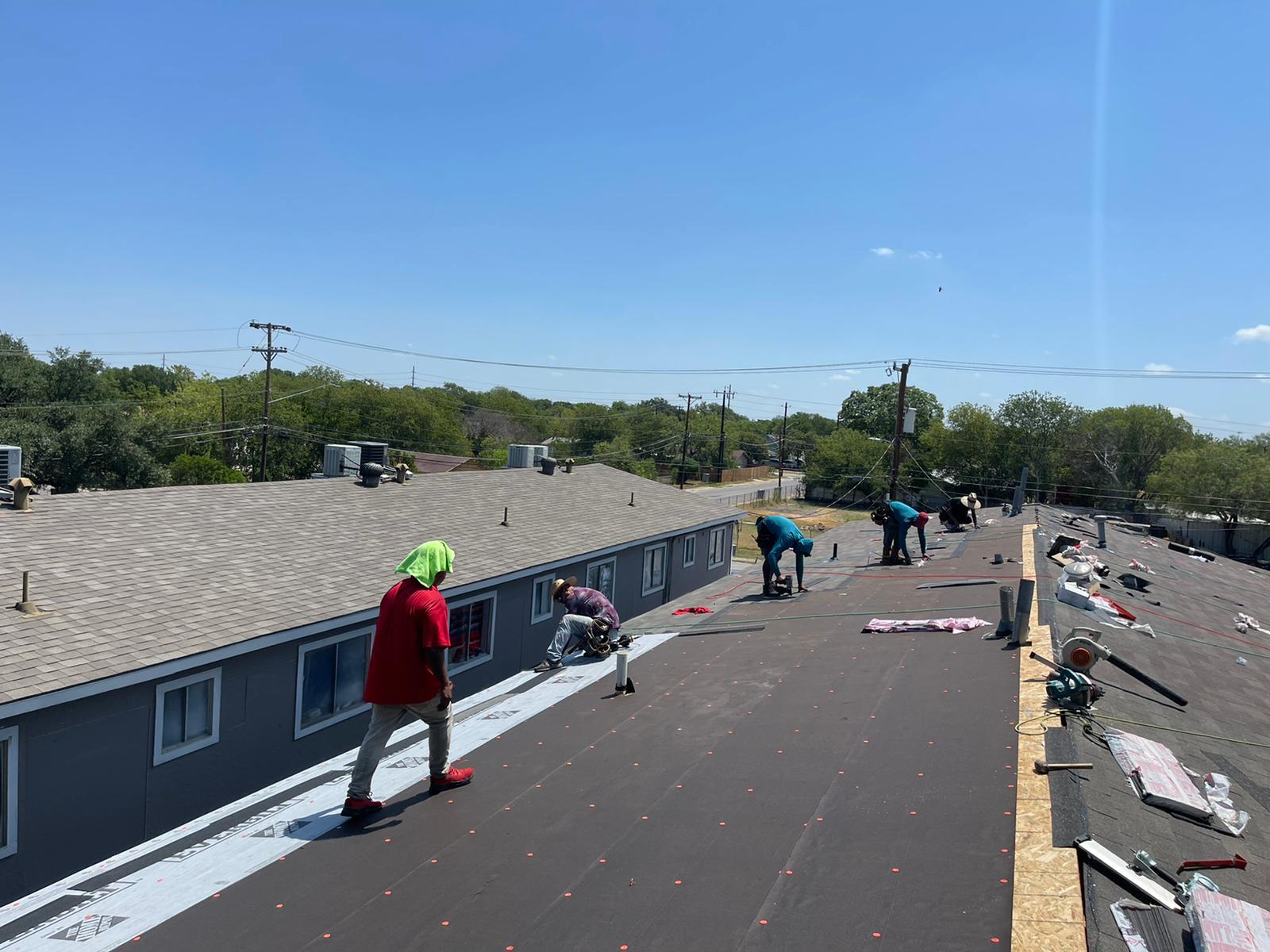
7 Roof Repair Signs Every Homeowner Should Know
Your roof protects your home from weather exposure, moisture, and structural damage. Over time, different factors such as aging materials, strong winds, and heavy rainfall can lead to problems that require roof repair. Recognizing early warning indicators can help homeowners address damage before it becomes severe. When common roof repair signs appear, taking action quickly can prevent water intrusion, insulation damage, and costly structural issues throughout the home.
Many homeowners overlook small roofing problems until they grow into major repairs. Water infiltration, structural weakness, and material damage often start with minor issues that gradually worsen over time. In these situations,Immediate Repair becomes necessary to prevent interior damage, insulation problems, and mold growth. A damaged roof may also reduce the energy efficiency of a home and increase heating or cooling costs.
Understanding common roof repair signs helps homeowners identify potential risks before they escalate. Roof damage may occur due to aging materials, harsh weather conditions, or poor installation. Recognizing these signs early allows homeowners to respond quickly and maintain the integrity of their roofing system.
Understanding Early Roof Damage
Roof damage rarely appears suddenly. Instead, it usually develops gradually due to environmental exposure and material wear. Rain, strong winds, temperature fluctuations, and debris accumulation can weaken roofing components over time.
Homeowners who regularly inspect their roofs often identify roof leak signs and other warning indicators before serious damage occurs. For instance, water stains inside the home may signal that the roof surface or flashing has started to fail.
Ignoring these early signals may lead to more extensive structural problems. Water infiltration can damage insulation, weaken wooden framing, and create conditions that support mold growth. Many homeowners seek professional assistance for roof repair San Antonio when they notice persistent leaks or visible roof deterioration.
Common Warning Indicators of Roof Damage
Several visible and structural changes can indicate roofing problems. These issues may develop slowly, but they often point to underlying damage that requires professional evaluation.
Some warning indicators homeowners frequently notice include:
Interior water stains appearing on ceilings or walls
Loose roofing materials after strong winds
Dark streaks or algae growth on roof surfaces
Damaged flashing around chimneys or vents
These signs may appear minor at first, but they can signal deeper structural problems beneath the roofing surface. Regular monitoring helps prevent these issues from escalating.
7 Signs Your Roof Needs Repair
Homeowners should pay attention to several specific indicators that suggest roofing damage. The following signs are commonly associated with deteriorating roof structures.
1.Water Stains on Ceilings or Walls
Water stains are one of the most common roof leak signs. Brown or yellow discoloration on ceilings may indicate that moisture is entering the home through damaged shingles or flashing. Even small stains may signal hidden water infiltration.
2. Missing Shingles
Missing shingles expose the underlying roofing layers to weather conditions. Strong winds, aging materials, or poor installation can cause shingles to detach from the roof surface. When this occurs, water can reach the underlayment and structural decking.
3.Curling or Cracked Shingles
Shingles that curl upward or develop cracks are often reaching the end of their lifespan. This condition reduces the roof's ability to shed water properly and may allow moisture to penetrate the structure.
4. Storm Damage Roof Issues
Severe weather events can cause significant roofing damage. High winds, hail, and falling branches may break shingles or loosen roofing materials. A storm damage roof may not always show obvious damage immediately, but small impacts can weaken roofing layers.
5.Granules in Gutters
Asphalt shingles contain protective granules that shield the material from sunlight and weather exposure. When these granules begin to accumulate in gutters or downspouts, it often indicates that the shingles are deteriorating.
6.Sagging Roof Sections
A sagging roofline may indicate structural weakness in the roof deck or support beams. Moisture damage and prolonged stress on the roofing system can lead to this problem.
7.Increased Energy Bills
A damaged roof may allow heat to escape during colder months or allow warm air to enter during summer. Poor insulation and roof damage often result in noticeable increases in energy consumption.
Because many of these problems develop gradually, homeowners often rely on professional roof inspection services to identify damage that may not be visible from the ground.
How Roof Leaks Develop
Roof leaks rarely appear without warning. They often develop when multiple roofing components begin to fail simultaneously. For example, damaged shingles combined with deteriorating flashing may create small openings that allow water to enter the roof structure.
Moisture typically travels along rafters or insulation before becoming visible inside the home. This is why water stains sometimes appear far from the original entry point. By the time a leak becomes noticeable indoors, the roof may already require repairs.
Environmental conditions also influence the speed at which leaks develop. Regions with heavy rainfall, strong winds, or extreme temperature changes often experience faster roof deterioration.
Structural Areas Most Vulnerable to Damage
Certain parts of a roof are more susceptible to damage than others. These areas often require closer inspection because they experience higher levels of stress and exposure.
Common vulnerable areas include:
Roof valleys where two slopes meet
Flashing around chimneys, skylights, and vents
Edges of the roof exposed to strong winds
Areas where debris and moisture accumulate
Damage in these locations can lead to leaks that spread across the roof structure. Regular inspection helps identify weaknesses before significant deterioration occurs.
Effects of Ignoring Roofing Problems
Ignoring roof repair signs can lead to several long term problems that affect both the structure and interior environment of a home.
Water infiltration can damage insulation and weaken wooden framing. Over time, this moisture may also promote mold growth within walls or ceilings. Structural weakening may require extensive repairs that go beyond simple roof replacement.
Another consequence of neglected roofing damage is reduced property value. A damaged roof often becomes a major concern during home inspections when properties are sold.
In addition, persistent roof damage may affect indoor air quality if moisture creates conditions for mold or mildew development.
Importance of Regular Roof Inspections
Regular roof inspections help homeowners detect potential problems before they become serious. Professional inspections often include checking shingles, flashing, drainage systems, and structural support elements.
Inspectors also examine areas that homeowners may not easily access, such as attic ventilation systems and roof decking. Early detection of damage allows repairs to be completed before water infiltration spreads through the building.
Homeowners who understand the structure and maintenance requirements of their roofing systems are better prepared to respond quickly when warning signs appear. Learning about the experience and background of roofing professionals can also provide useful context, which is why some homeowners review company information such as the about us section before choosing a contractor.
Maintaining Roof Health Over Time
While some roof damage is unavoidable due to weather exposure, proper maintenance can extend the life of roofing materials. Regular cleaning, debris removal, and inspection of flashing and gutters all contribute to roof durability.
Homeowners can reduce the risk of damage by trimming overhanging branches and ensuring proper attic ventilation. Adequate airflow helps prevent heat and moisture buildup that may weaken roofing materials.
Seasonal inspections are particularly helpful after severe storms. Even if visible damage does not appear immediately, strong winds or hail may loosen shingles or flashing.
Conclusion
Your roof serves as the primary barrier between your home and the outdoor environment. Recognizing roof repair signs early helps prevent minor damage from turning into major structural problems.
Indicators such as roof leak signs, missing shingles, and storm damage roof conditions often signal deeper issues within the roofing system. Monitoring these warning signs and conducting regular inspections can help maintain the stability and safety of your home.
Addressing roofing concerns promptly protects not only the roof itself but also the entire structure of the building. With proper maintenance and timely attention to damage, homeowners can extend the lifespan of their roofing systems and reduce the risk of costly repairs.
Frequently Asked Questions
1. What are the most common roof repair signs?
Common roof repair signs include water stains on ceilings, missing shingles, cracked shingles, sagging roof areas, and granules collecting in gutters.
2. How can I identify roof leak signs inside my home?
Roof leak signs often appear as brown or yellow stains on ceilings or walls, peeling paint, damp insulation in the attic, or mold growth near roof areas.
3. Can storm damage affect a roof even if it looks normal?
Yes. A storm damage roof may have hidden issues such as loosened shingles or damaged flashing that are not immediately visible from the ground.
4. How often should a roof be inspected?
Most experts recommend inspecting a roof at least once per year and after major storms to identify potential damage early.
5. Do missing shingles always require roof repair?
Missing shingles usually indicate that the roof surface has been compromised. Repairing the affected area helps prevent water infiltration and further structural damage.
